Here to help and serve:
Dealing with police
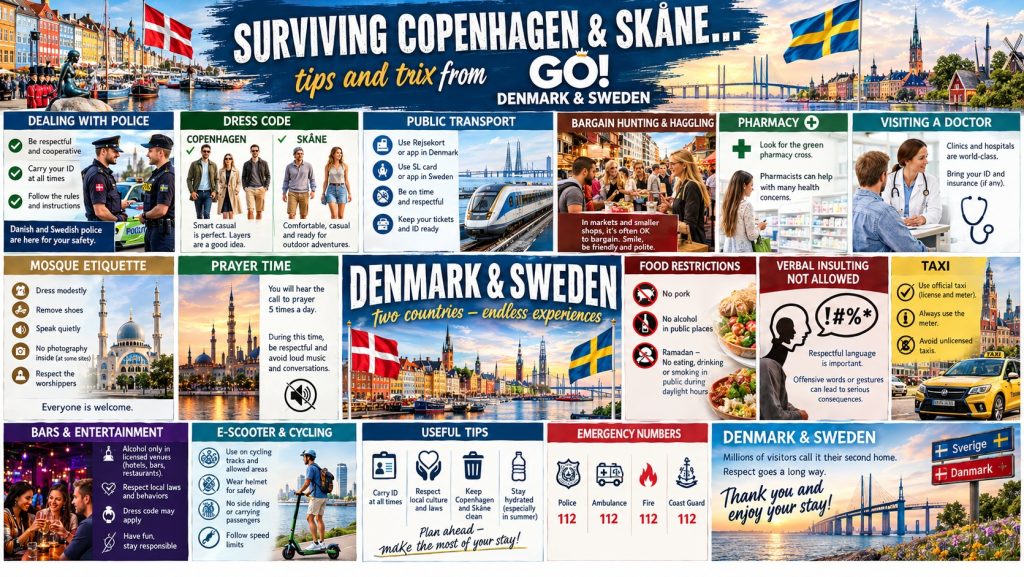
In case of emergency, you must get urgent help, you can call the Police who will assist you in every possible way. The presence of the law is quite abundant with marked police cars often cruising the streets to keep everyone happy and safe. But if you are on the other side of the stick, they will arrest you for breaking the laws, being intoxicated, fighting, being threatening to the community and many other things because their first and foremost objective is to keep it safe for everyone. Indecent behaviour is also clamped down on without any questions asked. There might be reasons to be careful anyway, day or night. No need to try your luck.
If you need to report a crime, suspicious behaviour, harassment or anything like that, in a more formal way, there are several Police stations around town.
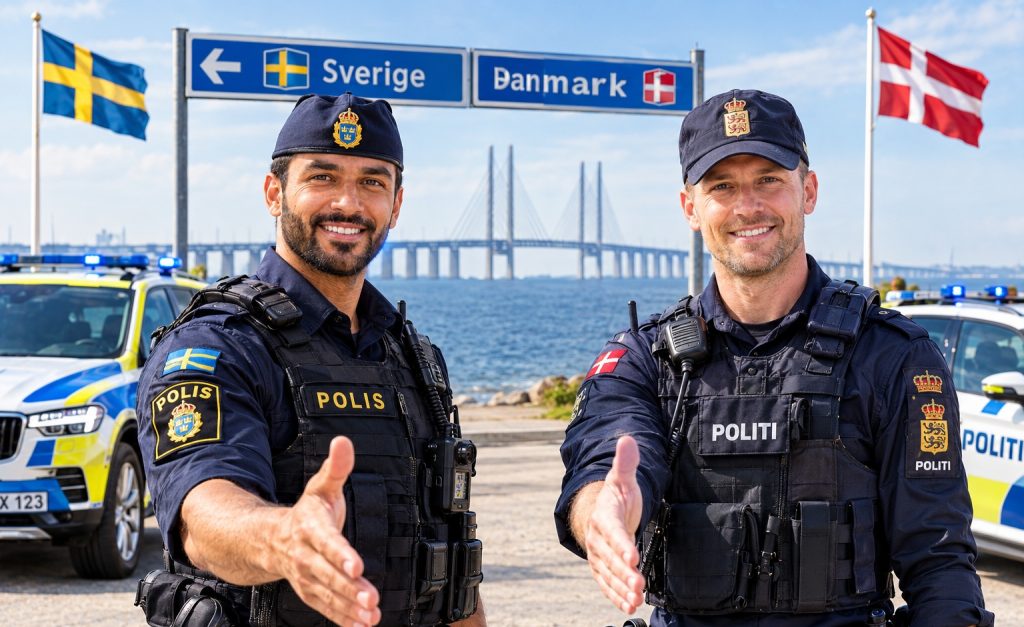
There is a difference between the Swedish and Danish Police. The Swedes tend to be more formal and strict and not interact if they don’t need to or even be proactive. Danish cops are more relaxed but if you try some fishy moves or explanations, they just are not taking that and you go to jail. However if you treat them nice and correct, they will just tell you to sod off and be safe.
Useful phone numbers:
Emergencies only
Sweden:
- 112 Emergency, all branches
Denmark:
- 112 Emergency, all branches
Tipping:
Where is my tip?
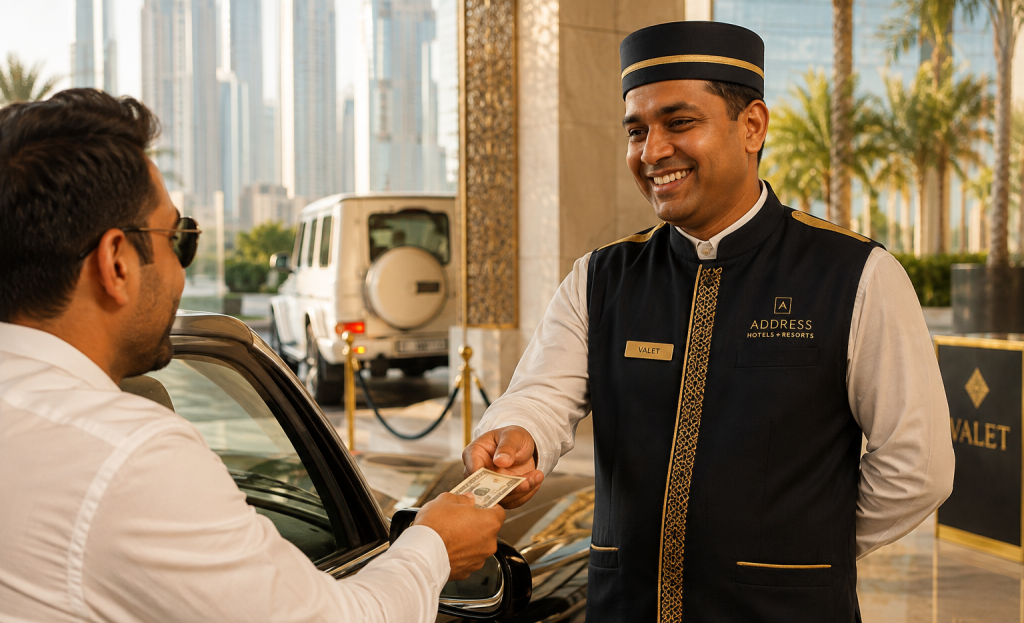
The universal, unspoken question is “how much shall I tip”? In Scandinavia, tipping is appreciated but not really necessary. Usually you get exceptional service anyway but if you really appreciated the effort and service, give them a tip.
Our recommendation:
Most service jobs are low paid and many working restaurants and bars depend on the tip as a source of extra income. So give a little extra support where it’s earned but don’t overdo it. Sadly a new phenomenon is noted. If you pay with your card on a POS machine, the display will show different amounts of suggested tips. You are supposed to agree on a tip before you swipe your card. Please don’t do that, just pay for the food or drinks and give the waiter his tip directly.
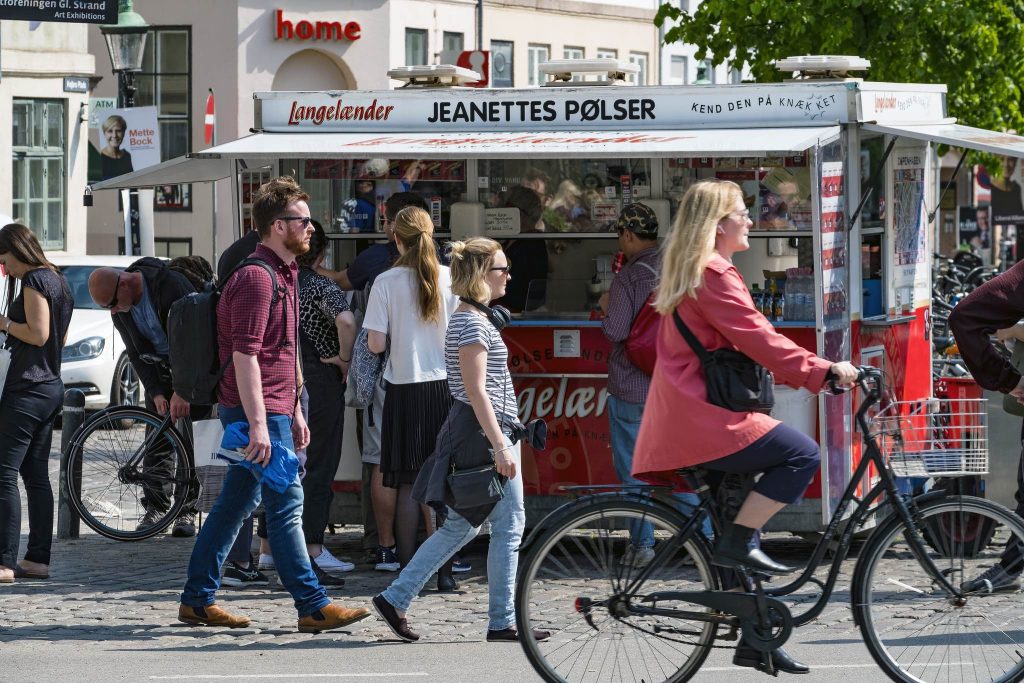
Hot Dogs and street food:
Street eating the traditional way
In Sweden there are many places called “gatukök” (street kitchen) Here you can buy hot dogs, hamburgers, falafel and so on. Nothing fancy but still tasty. Sometimes you can sit inside but mostly the guests eat on the go or standing outside in the freezing cold and rain.
On festivals there are usually food trucks offering different food from all around the world. However, we think they are ridiculously overpriced, quality is questionable and there is nowhere to sit.
Denmark has an old tradition of loving their hot dogs. They are called “pölsemand” (hot dog man). Every morning you can see them walking along side their small trailers that contains everything they need. They are all licensed and have a strict routine on where to park, when they are open and so on. Here you can have pork side burgers with red cabbage, which is very delicious, or you can choose from a wide variety of different hot dogs in all sizes and shapes. The classic is “two indians in a canoe”, two red hot dogs with a bread, ketchup, mustard, unions and some pickled cucumber. It is a very tasty meal between meals.
Our recommendation:
In Denmark it is a must to try these hot dog trailers. Some years ago there were hundreds around town, almost on every street corner. Now there are just a few left and can be found in places with lots of footfall. Quality is fine, hygiene is good and the food is tasty. It’s a great photo opportunity also when you munch away on the fire engine red hotdogs. Go Easy on the mustard, it has a kick to it.
Malmö is the falafel capital of Sweden. It is served everywhere in the street kitchens. However, ask around or look where there are lots of guests already, that’s a good sign of the quality of the falafel they serve.
Parks and recreation:
City oasis for all
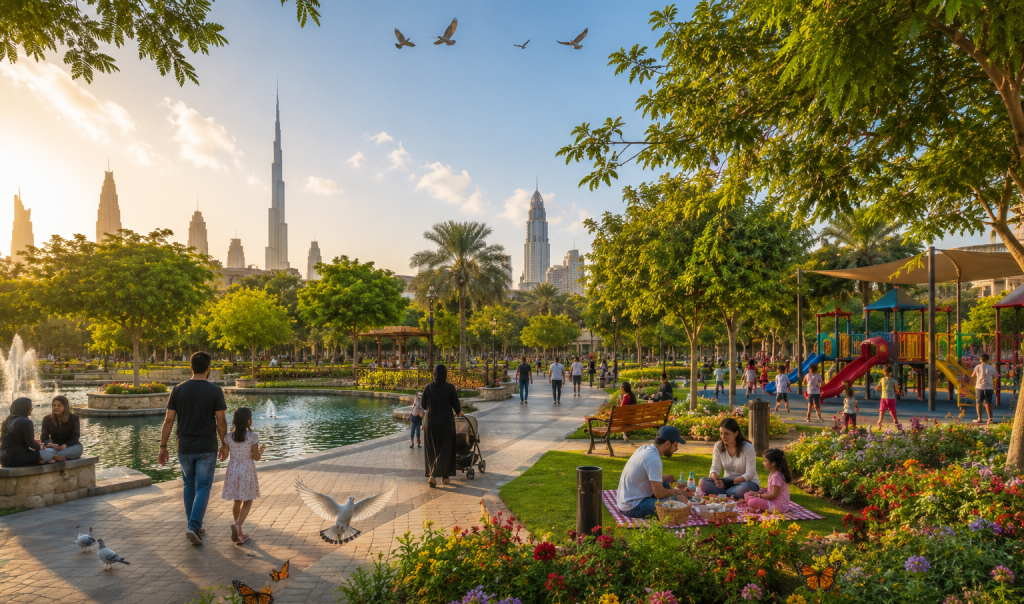
Both Copenhagen and Malmö are renowned for their public parks. It can be huge parks with open areas where people come for picknicks, exercise, just a quiet stroll or a great place to take the kids or grand children for a day out. The parks are open to the public and are free to enjoy. But be respectful and if you bring food or something like that, clean up after yourself and take care of the waste properly.
Many parks also have a rich animal life with birds and squirrels. In most parks there are also art to be enjoyed with permanent installations or even some temporary art projects on display. Some parks have restaurants, some have smaller eateries and snack stalls where you can grab something to eat or drink.
Our recommendation:
Most parks are run by City Council and are very well maintained. Also fully accessible for people with determination. If ever in doubt, there are signs with guidelines about what’s not allowed to do like smoking, camping and things like that. It’s not to make you uncomfortable, just so that everyone can enjoy the peace and tranquility like all the others. In Copenhagen we would suggest Rosenborgs Garden (Rosenborgs Have). It is a beautiful place that also houses the barracks of the Royal Guards. In Malmö we would recommend a visit to Pildammsparken or Kungsparken. Two large public parks that are also the local’s favourite places to go.
Buying alcohol:
Buying beverages with a buzz
Here is the biggest difference between Denmark and Sweden.
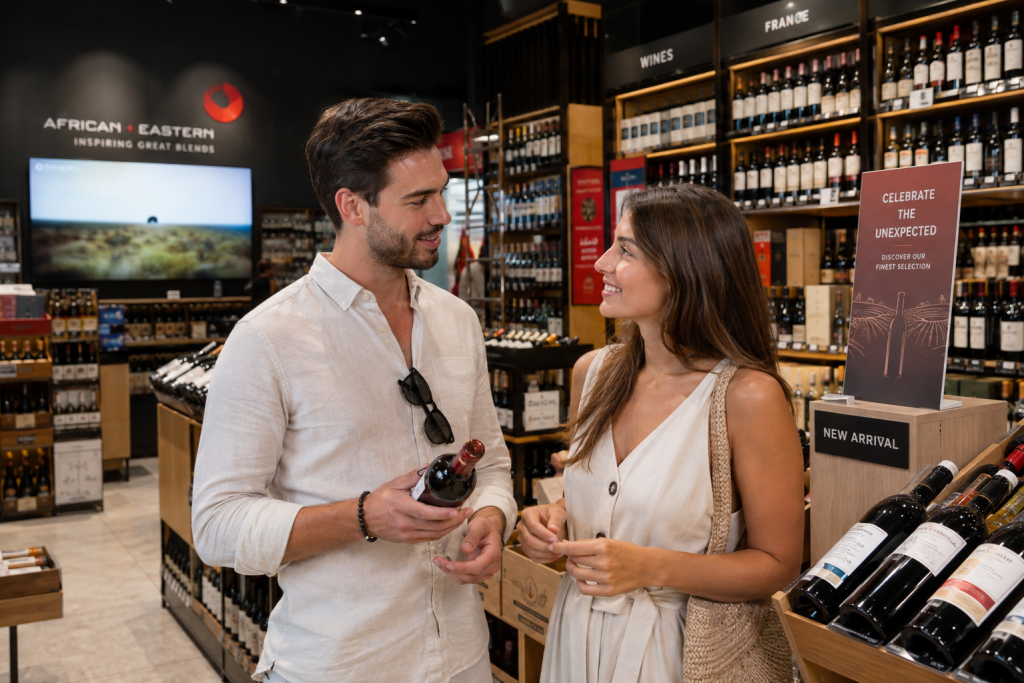
In Sweden you can only access alcohol in licensed stores called “Systembolaget”. They have pretty good operating hours and a huge selection of inventory. That’s is the only place you can buy alcohol. There are low-alcohol beers and cider on the shelfs of super markets but nothing else.
In Denmark on the other hand, sales of alcohol is totally different. You can even swing by a 24/7 gas station and pick up a bottle of vodka in the middle of the night. Selection is limited. There are no centralised system like in Sweden. Alcohol is also available in super markets. Wine and hard liquor is readily available.
In both countries there are age restrictions and it is very strict. If in doubt, they clerks will ask for some kind of ID to prove that you are of age. If not, they will simply refuse your purchase.
Our recommendation:
Being intoxicated in public is not an offence but it is not accepted. Driving under the influence, on the other hand, is very severely punished. Just one or two glasses of wine will be enough to put you above the legal limit so don’t even take the chance. Heavy fines, possible jail time, suspension of drivers license and possible criminal court awaits.
Cash or card and exchange:
Cha-ching or not to cha-ching
When coming to Denmark and Sweden there are a couple of things you might need to understand. These countries are dependent on card payments. In every shop, big or small, there is a POS machine. Almost everywhere card payments are available although some small convenient stores have a minimum spend limit.
Cards are accepted almost everywhere and the security is nothing to worry about.
ATMs are also very accessible. Some ATMs only accept that specific branch’s card and the process can be quite tedious to find an ATM that works with your card. Even if it says the machine accepts all major debit/credit cards, that is not always the case. So find an ATM that works with your card and withdraw the amount you need, and a little bit more because the bank will charge you fees every single time for using the card. And the conversion rate is not that good anyway.
Our recommendation:
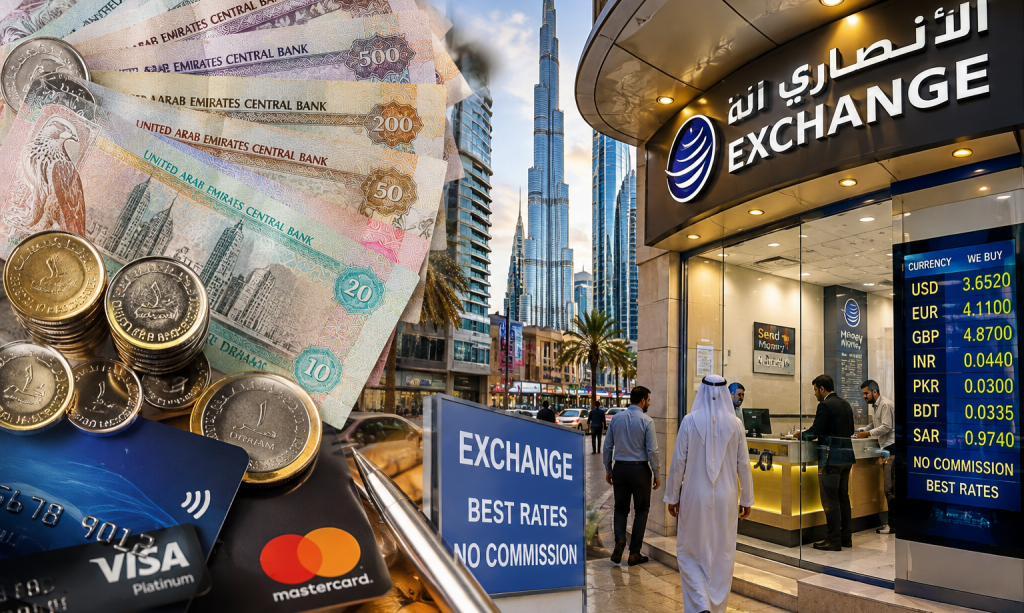
Should you exchange money to local currency before coming? It depends, actually. We suggest you bring some local cash to be able to maybe eat something on arrival or for the taxi to your destination. ATMs are available in the airports but the conversion rate is not good. The convenience of it is very costly. Please note that your best choice is to bring smaller denominations like 100 crown bills. There are also 500 and 1.000 crown bills but many places don’t accept these. Not because they are not good, they are just too much to break for a smaller shop or a taxi.
There are many exchange offices around town. If you bring US dollars as your main stash of cash, go to either one of these places and get crowns. Here you can also transfer and receive money if you need to top up your finances. A piece of good advice, some hotels offer exchange service but the rate is a joke and with fees, you are on the losing end.
Banks are strictly for residents and don’t exchange foreign currency. Most banks actually have locked doors so you will not be able to even enter.
Dress code:
Dressed for success
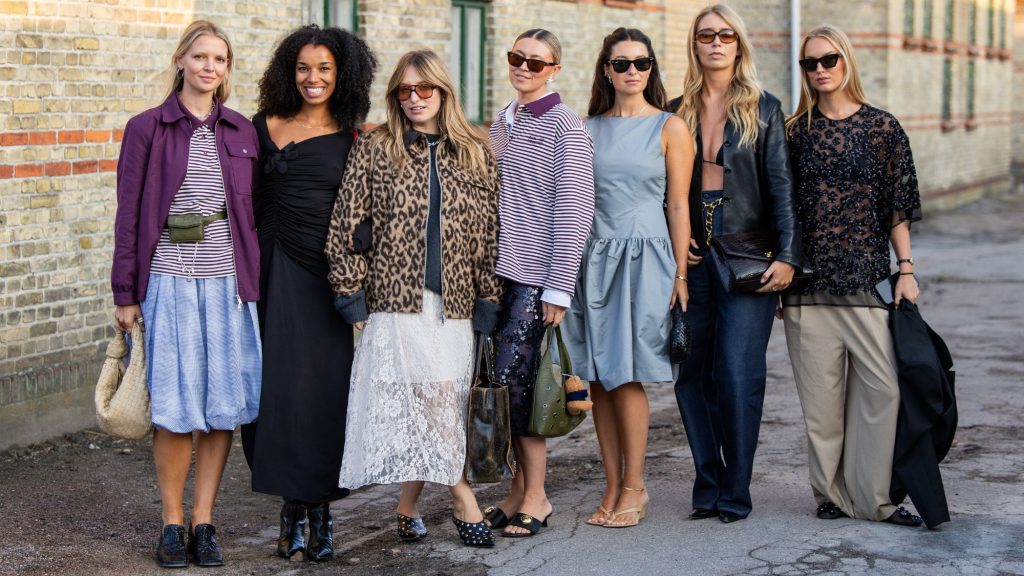
As you come to Denmark and Sweden, you must have noticed that there is really no dress code. People dress in what they enjoy and feel comfortable with. F x the Danish capital is a major fashion hub and that is seen in the streets. People nonchalantly strutting by wearing the most expensive designer clothes on a Tuesday lunch. No-one takes notice, it’s just a fashion statement.
Swedes on the other hand are even more relaxed. They don’t really like to show off the latest fashion trends just like that walking down the street. It’s more of a casual dress code all together.
Our recommendation:
There is really no dress code in place but remember that you are in the north and weather can change rapidly. Summer days can be sunny and warm just to give you a nasty surprise the next day with heavy rain, strong winds and chilling temperatures. So come prepared.
Food options #1:
All you can eat and then some
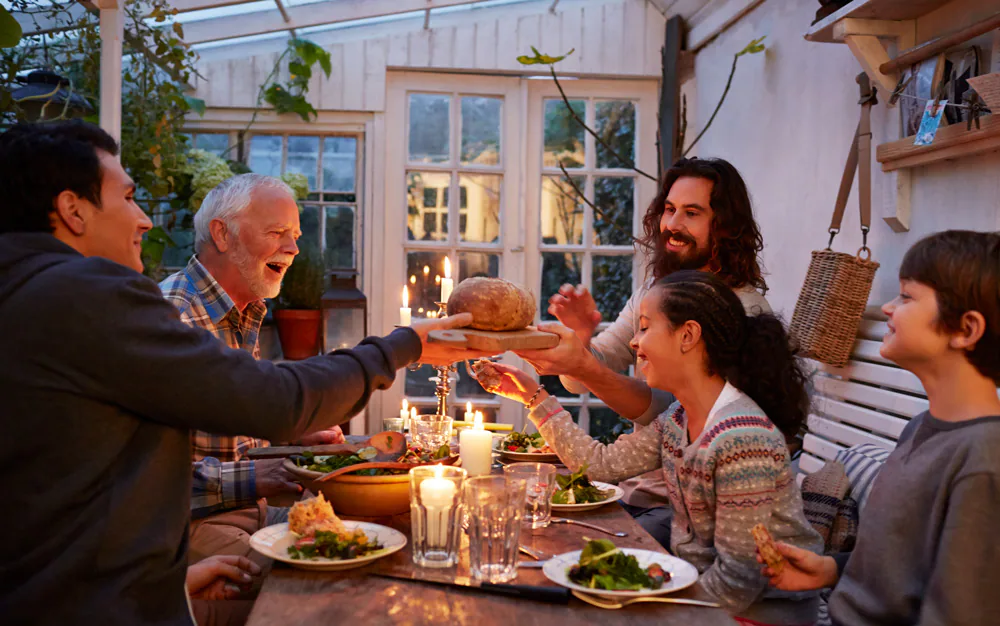
Denmark and Sweden has many different nationalities and cultural backgrounds even when it comes to food. We are not going to explain it in much detail but give you some insights.
The primary source of protein is pork prepared in every possible way. Beef and chicken are also readily available at most restaurants and it’s really good. If you are on a kosher or halal diet, there are many options too, especially in the ethnic neighbourhoods.
Much of the traditional Scandinavian food can be perceived as salty. The two dominating spices used is salt and pepper. Also pickled fish and vegetables are common. They have a distinct sour/salty taste. Cured or smoked fish is a delicacy and a must. Usually it is fatty fish like salmon, herring, eel and mackerel in different combinations and it is delicious. But if you are not used to it, just try something small first because it is basically an acquired taste.
Denmark staple food is the open sandwich (smørrebrød) for any occasion. A piece of dark rye bread with a serious amount of different toppings like fish or meat combined with eggs or pickled vegetables and potatoes. The variations are endless and you can get it everywhere. If in a restaurant you can use a knife and a fork but eaten the right way you simply grab it with your hand end enjoy. That’s why they are also called hand sandwiches (håndmad).
Swedish traditional food is almost the same in taste and produce. Staple food is mostly some kind of meat with gravy and boiled potatoes. Today many restaurants don’t serve traditional Swedish food (husmanskost) but ask around for those restaurants. It will be worth your while.
Our recommendation:
Some traditional Danish dishes that we would recommend is the open sandwich experience. Other musts on the menu is duck, Danish pork side with red cabbage, fried pork with parsley gravy and sugar potatoes. If you want fish we would recommend a platter of small taste tests of different pickled herring with bread. Another favourite is called Stjerneskud (shooting star). Fried fish, shrimp, asparagus, remoulade sauce, pickles and more. A little bit of everything in other words. That is served in every restaurant. Beverages would be a beer and a shot of aquavit snaps.
Sweden has its own favourites. A decent restaurant proud themselves with a great Swedish pan-fried hash (pytt-i-panna) the contains potatoes, unions and a mix of meat, pork and/or beef. It is basically the leftovers with a twist, re-fired. Served with pickled beet roots and fried egg on top.
And hey, let’s be adventurous and try something local from the menu. If you don’t know what it is, ask the waiter. Sometimes they speak English, sometimes they don’t but you will get a good laugh out of it and also a tasty meal, for sure.

Food options #2:
Shopping for food
Many of the international fast food chains are well established in Scandinavia, like Burger King, McDonalds, SubWay, Hardey’s, Pizza Hut and so on. However, if you don’t have a “food crisis” on your hands, be adventurous and explore the local food first. It is really nice and at a fraction of the cost for a trip to Mickey Dee’s. Also some local fast food chains are pretty nice so give them a try before going to Donken.
Our recommendation:
If you are planning to cook yourself, go to a supermarket for groceries and get fully stocked. You go along way with the basics; potatoes, unions, a protein of your choice and, if you don’t want to bother making your own gravy, buy a ready mix that you put into water or milk, heat it and there you go. A traditional meal is always meat, potatoes and gravy.
Security and weapons:
Security in Sweden and Denmark
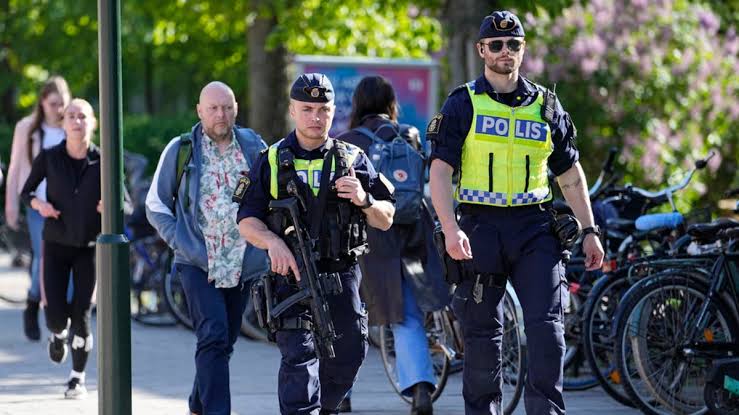
Sad to say but the security situation has not been good for the last years. It is not a battle field or a war zone but For the last 12-15 years there have been some problems with security.
Sweden and Denmark have their own problems related to violent crimes. However the Danes seem to be more efficient and proactive than the Swedes.
Mostly it’s about drug territory or money laundering and things of that nature. If you are not directly involved in any gang activity or have your own lucrative side hustle, there is really nothing to worry about. However, some common sense and awareness is good to have, especially at night time and the weekends.
Our recommendation:
Any kind of firearms or weapons are under strict control for the general public. The problem is that there are quite a lot of illegal arms and guns readily available if you have the right contacts. That creates an unsafe environment for the public. Just be careful out there.

Churches, mosques, synagogues, temples:
Living on a prayer
If you want to attend any religious place of worship, they have it all. No matter if you are Christian, Catholic, Jew or Hindu, there is a welcoming place for every belief.
Sweden and Denmark has always been open to welcoming other religions than Christianity because the society is a great mix of people of different beliefs and that is what makes the the countries so diverse. The religion in Denmark and Sweden is Christianity and churches are present everywhere.
Our recommendation:
We would strongly suggest that no matter what religious beliefs you might have, a visit to a church is a very unique experience. You might not understand all the ongoings but it is for sure a place of peace and tranquility. Be nice and respectful and look how others do, like standing up for different psalms and people taking communion. But it’s no drama, just ask and you will learn how to do it.
Nightlife:
Be safe and have a ball
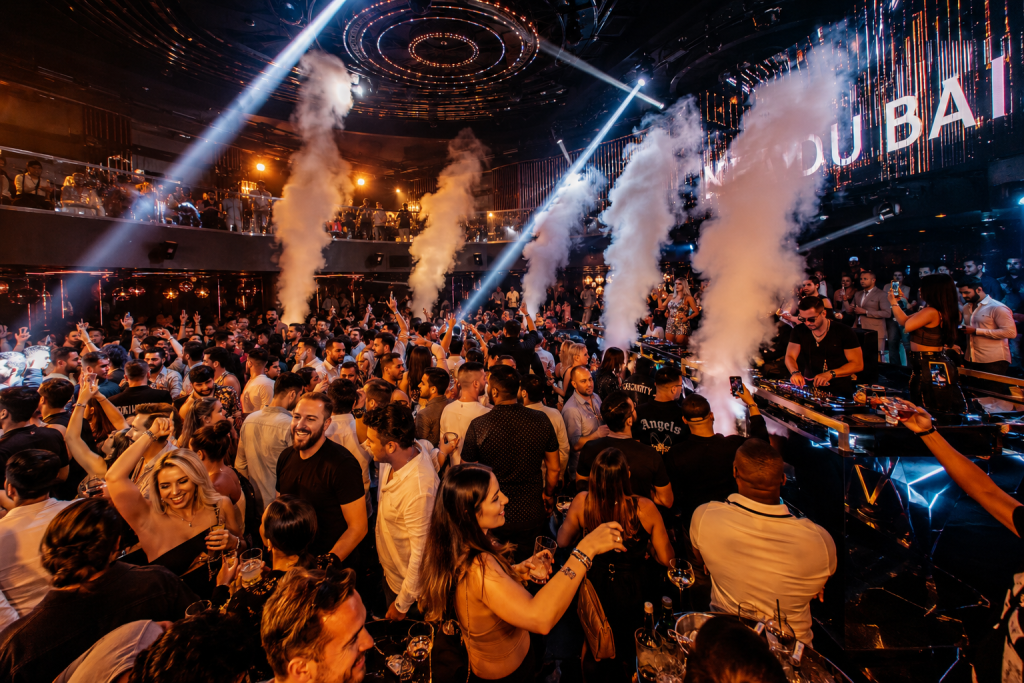
Copenhagen has one of the world’s most amazing night life to offer. Restaurants, bars, clubs, discos are everywhere. There are some pointers to consider before going to a place for an evening of partying.
Restaurants are mostly very decent and nice. You can find the very high end with an abundance of different foods and drinks. That can be nice but we strongly recommend finding a smaller restaurant where the locals go because you will get home cooking and a friendly atmosphere like nowhere else. Even if you don’t understand the menu, the staff will make sure to explain and recommend their own favourite dish. Just be open and friendly and it will be like you’re invited into someone’s home for dinner. A really great experience.
Bars are also everywhere. It’s like the locals living room where you meet friends and socialize over a drink or a game of pool. Take your time to find your favourite place and soon you will have friends from places you didn’t even know existed. But, and this is a big but, alcohol is available and at reasonable prices but intoxication is not seen with gracious eyes. And being drunk in public, being rude, fighting and being loud or even relieving yourself in public will guarantee you get in a lot of trouble by the Police. So take it easy on the drinks but still have a good time.
Our recommendation:
Clubs are another deal. We strongly recommend you stay away if you are not street smart enough. Popular clubs might have a good reputation and security in place but there are also popup clubs that can be a serious problem. The popular clubs can be pricy and the popups are cheap. However most of these places don’t have any permits or licenses and are illegal. Much less security and crowd control. We strongly recommend that you stay away from these places.
Take away/delivery:
Everything on order to your doorstep
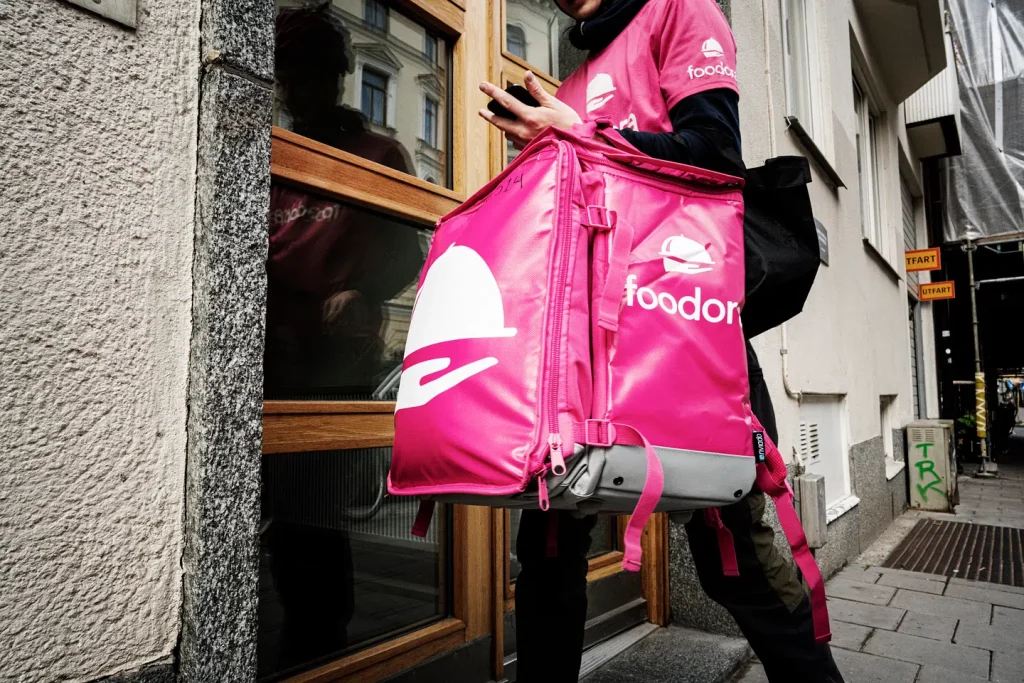
Hungry but don’t want to leave the cosy couch? Not a problem! Almost every restaurant has delivery to your doorstep, often free of charge. There are apps like Foodora who deliver everything your stomach craves and within 30-60 minutes. Want seafood, burgers, curry, steaks, vegetarian, Nepali, American, pizza, salads, barbeque…It’s all there to choose from. Within a short time there will be a motorcycle captain heading your way and you can follow him racing with your order and shortly the food is at your apartment to enjoy.
Our recommendation:
There are always great deals on offer with huge discounts so if you can’t make up your mind if it’s pizza night or burger galore, a great discount might convince you.
But almost every restaurant also has delivery service. So if you know that special place with amazing food, just jump on the phone and send them a WhatsApp and order. They will for sure deliver to settle your cravings.
This is also available for normal grocery shopping. Almost every supermarket offers this service. Jump on and order a head of cauliflower, one jug of milk and some toilet paper and you can expect delivery to your door within the hour. Pretty nice actually. And please give the delivery boy a tip, he has after all taken care of your grocery needs in the comfort of your home.
Taxi:
Hail a cab and let’s GO!
Getting around town is easy whether you choose to do it by public transport or taxi. Here are some pointers to make the cab ride even better.
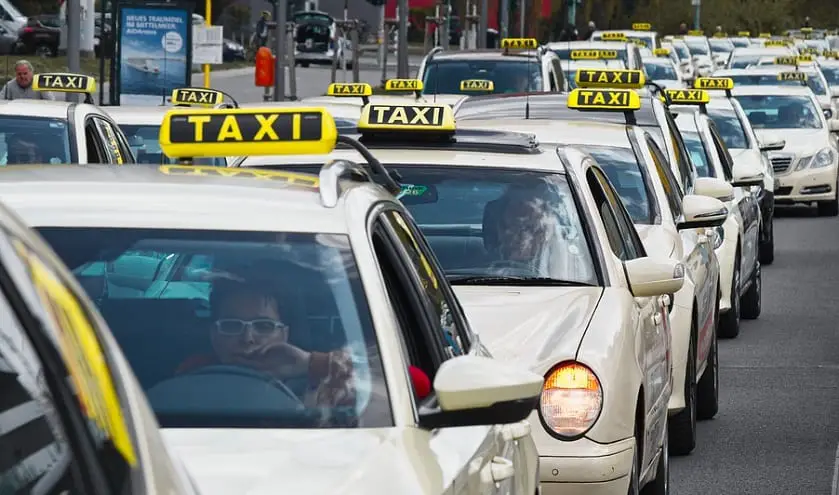
Taxis are operated by independent companies but all under Government license. You can choose to either order a taxi on one of the many applications for mobile phones. Download and register for free. Also register your address to make it easy to manage any trips. Once you have opened the app, go for the normal standard taxi but there are options for luxury cars and minivans too.
Taxameters
All licensed taxis have meters and they are started as soon as your driver takes off for your destination. Meters are well in sight and absolutely no “hanky-panky”. The price is clear on the screen and you will get a receipt once the trip is over. If you have ordered a taxi through an app for example, the payment might already done and there is no need to find your card or dig for cash.
Our recommendation:
You will for sure find unlicensed taxis offering you a ride. They are called “curb cruisers” and we can only recommend you to NEVER get in one of those cars. Totally unsupervised, no meter, no security and you might end up in so much trouble since, if stopped by the police, both driver and passenger will face very steep fines. And also there are many stories on how a 50 SEK ride ends in an industrial area not even close to your desired destination and the driver asking you for 500 SEK instead, just to take you back to your starting point for another 500 SEK.
In conclusion, taxis are somewhat pricy in Sweden and Denmark. On the other hand, just ask the driver for the best restaurants serving food from his country, find you that special gift shop or take you to a nice park off the beaten track. In that sense the driver is your personal guide to the town.
Pedestrian crossings:
Is it red or green?
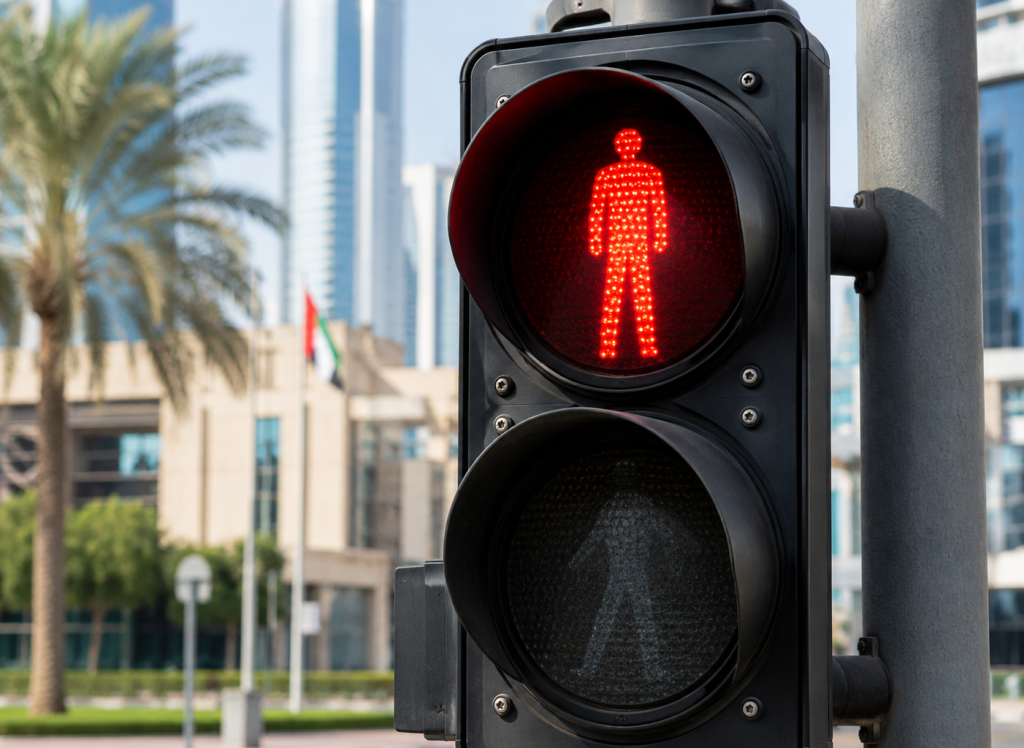
Being a visitor in a new city, there are a couple of pitfalls to be aware of. For example, always obey the traffic culture. When you are crossing a street on red in Denmark, the Police will for sure have an “educational talk” with you. In Sweden on the other hand, it is not directly forbidden to cross on red if you don’t cause any obstructions or danger.. If there are no red/green regulations, you can cross but only after making absolutely sure there are no cars or motorcycles coming. However, they are obligated to stop when people are waiting to cross but don’t take the chance…And if there are lights, never walk on red. It can cost you dearly for jaywalking.
Our recommendation:
If you are tempted to drive here, you have earned all of our respect. The traffic is super intense and with a lot of contraction going on, it’s a marvel that people reach their destination in one piece. There are many unwritten rules about what is allowed and what eventually earns you a big fine. But if you want to try, go ahead.
Trash disposal:
Keep it clean
We all enjoy the peace and tranquillity of our surroundings. And hand in hand with that goes cleanliness. Cities are making every effort to keep the city clean and shiny and for that we shall be grateful. And it’s not rocket science to do your part. Like if you have a take out meal, don’t throw the leftovers and the package it came in on the sidewalk. We are pretty sure there are plenty of trash bins close by to dispose of your trash in.
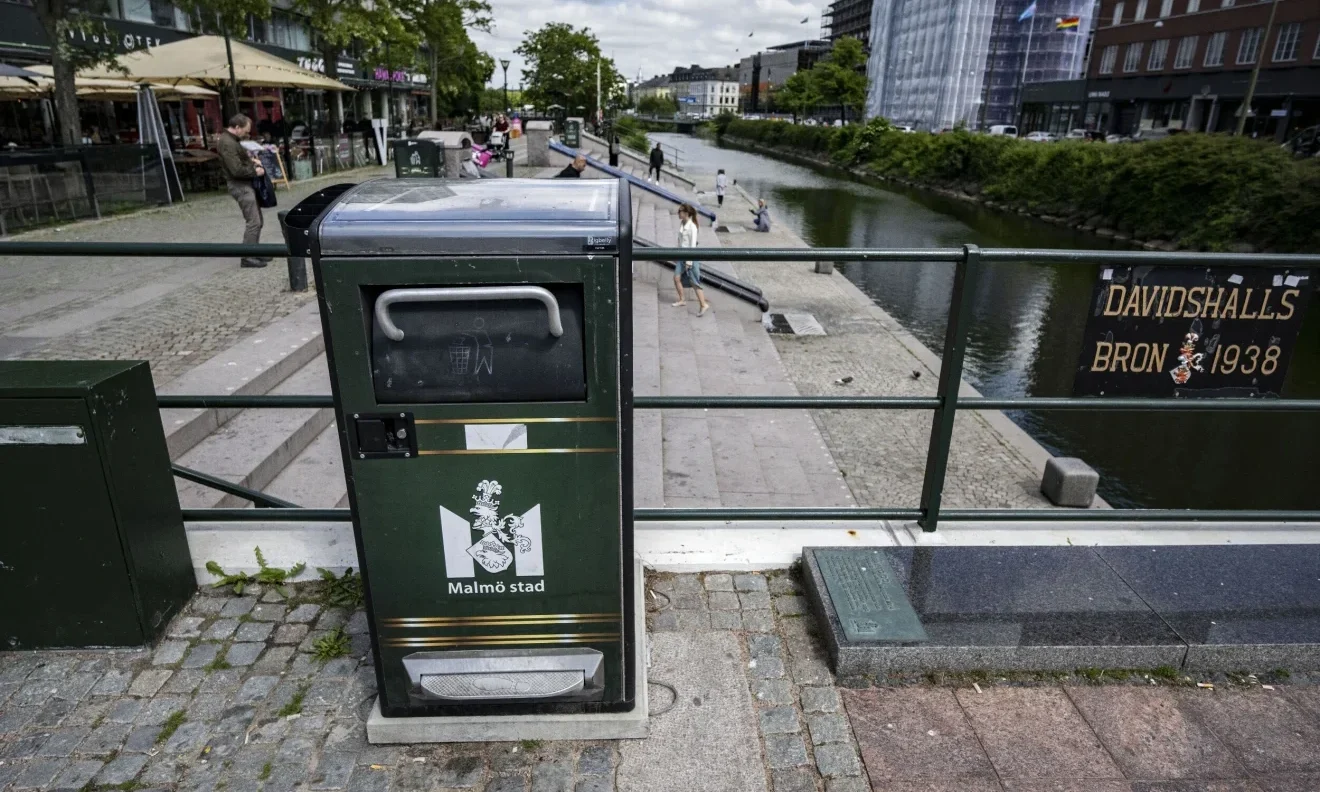
In Malmö they have recently installed some new waste bins that even talk to you. So disposing of your trash you might get a message like “Oh yeah, right there. Thank you!” So now there is every reason to dispose of your waste in the right way.
Smoking outside is allowed almost everywhere but please don’t just throw the but on the ground. Dispose of it in a proper manner. Spitting is also just nasty. If you have a big and juicy loogie ready, just don’t shoot it anywhere. Dispose of it in a place out of sight and step.
If there is an emergency by the call of nature, you can always walk into a hotel, restaurant or store and ask kindly if you can use their washroom. Just don’t relieve yourself at your convenience anywhere.
.