
Pers Krog / Trekanten - The restaurant by the Sea
PERS KROG
The Malmö institution that served up an era
From Trekanten to Pers Krog, from enormous elefantöron to fondue and seven different sauces, this Limhamnsvägen institution became one of Malmö’s most enduring restaurant memories. For generations of Malmö residents, a visit to Pers Krog wasn’t simply dinner. It was an occasion.
There are restaurants that serve food, and then there are restaurants that become part of a city’s collective memory. Pers Krog was firmly in the second category.
For decades, the restaurant at Limhamnsvägen 2, close to Ribersborg and Ribban, occupied a special place in Malmö’s dining landscape. It opened in 1969, initially under the name Trekanten, before becoming known as Pers Krog. Mention the name to a Malmö resident of a certain generation and the response is often immediate: a smile, a story and, very often, a memory of the elefantöra.
Pers Krog wasn’t associated with minimalist portions or culinary fashion. It was a restaurant that believed dinner should feel like an occasion – and that nobody should leave hungry.
Welcome to Trekanten
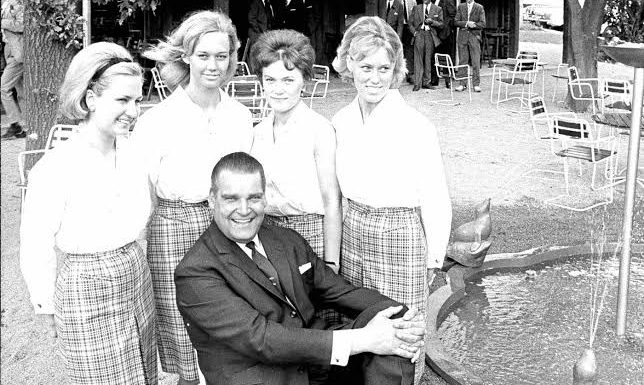
When Trekanten opened in 1969, Malmö was a very different city. Ribersborg was already a popular recreational area, while Limhamnsvägen connected the city centre with the western parts of Malmö. The location gave the restaurant a useful combination of accessibility and destination appeal under the patronage of the entertainer Sigvard Wallenberg.
Over time, the name changed and Pers Krog became the one people remembered.
There was nothing particularly elaborate about the name. It was direct, familiar and unmistakably Swedish: Per’s tavern. Come in, sit down and have something substantial.
That straightforwardness became part of its personality.
The age of the giant elefantöra
During the 1970s, Pers Krog became particularly associated with elefantöra – an enormous piece of flattened beef, essentially a giant schnitzel-style lövbiff served with traditional accompaniments.
One former customer remembers it as a defining restaurant experience from the 1970s, when going to Pers Krog for elefantöra or scampi was considered a special treat. (matplatser.wordpress.com)
The dish was famously generous. A later description recalls a plate filled almost to the edges, with the beef partly covered in béarnaise and partly with a spicy tomato mixture, accompanied by onion rings, salad and gratinated mashed-potato peaks.
It was food from an era when sauces weren’t an afterthought and portions weren’t designed around restraint. You ordered dinner and received something that looked as though the kitchen had taken the word portion personally.
A restaurant for celebrations
Pers Krog became somewhere you went when an ordinary evening needed turning into an occasion: birthdays, anniversaries, family dinners, business meals and dates.
The traditional menu was firmly rooted in the classic European restaurant tradition. Over the years, dishes such as sniglar, Filé Oscar, plankstek, tournedos Rossini and Mästers Walewska appeared alongside the restaurant’s better-known specialities. (thatsup.se)
This was food from an era when a sauce was not merely decoration. It was part of the architecture of the dish.
The seven-sauce philosophy
During the later Natalie på Pers Krog era, fondue became another attraction. The restaurant was known for serving it with seven different sauces. (thatsup.se)
Seven sauces is enough to turn dinner into a minor logistical exercise. Which one should accompany the first piece of meat? Should you establish a favourite early, or work methodically through all seven?
A recollection from 2012 describes a fondue dinner with a sizeable bowl of meat, fries and a parade of sauces, including an unexpectedly memorable banana sauce that apparently worked particularly well with chicken. (eken007.blogspot.com)
It was hardly minimalist dining, but it was memorable.
Per and Natalie
The restaurant’s later identity became Natalie på Pers Krog after the Malmö restaurant Natalie became associated with Pers Krog. Contemporary recollections described Natalie as having effectively become “sambo med Per” – living together with Pers Krog, as the wonderfully Swedish expression put it. (matplatser.wordpress.com)
The combination retained a strong identity and a loyal following.
By the 2000s and early 2010s, its atmosphere had become deliberately old-fashioned. The dark interior, classic menu and familiar dishes offered a contrast to the increasingly fashionable restaurants appearing elsewhere in Malmö. One food writer described it as a genuine neighbourhood restaurant with generous portions and plenty of charm, while noting that some of the décor had begun to look as though it needed updating. (matarkivet.wordpress.com)
For regulars, however, familiarity was part of the attraction.
The waiters who knew the drill
Recollections from the later years mention staff who had apparently been there for a long time. That gave Pers Krog a very different character from the modern restaurant where the staff enthusiastically explain every ingredient.
At Pers Krog, the ritual was simpler. You sat down, ordered, and waited for the kitchen to do its work.
One contemporary visitor remarked that some of the long-serving waiters were not exactly overflowing with enthusiasm, while nevertheless praising the food and atmosphere and concluding that the restaurant’s old-fashioned charm remained intact. (matarkivet.wordpress.com)
It was a restaurant comfortable enough with its own identity that it didn’t seem particularly interested in keeping up with fashion.
The Malmö memory machine
What made Pers Krog special was not necessarily culinary innovation. It was consistency.
People knew what they were going to get: a large portion, a traditional dish, a dark and cosy dining room and a serious amount of sauce. More importantly, they knew the experience.
One former customer who returned after approximately 35 years described the elefantöra as one of those powerful food memories carried through life. The return was almost an experiment: had the restaurant really been that good, or had youth simply made everything taste better? (matplatser.wordpress.com)
That is the difficult test every nostalgic restaurant eventually faces. Memory is a merciless food critic.
When nostalgia met reality
The later years produced mixed opinions. Some customers continued to praise the generous food, familiar dishes and atmosphere, while others felt that the restaurant had lost some of the quality and class it had possessed during its earlier years.
An online discussion from the late 2000s captures the divide: one contributor remembered Pers Krog as a much-loved institution from the 1970s and early 1980s, while another argued that the restaurant had declined following a change of ownership.
By then, Pers Krog had reached the stage every old Malmö institution eventually encounters: everyone had an opinion about it, and everybody’s version of its glory days was slightly different.
The end of the road
By 2013, the story was coming to an end.
A contemporary Malmö photo blog recorded that Natalie på Pers Krog, which had served food at Limhamnsvägen since 1969, had gone bankrupt. (rolfon.blogspot.com)
The closure marked the end of a particular kind of restaurant culture: establishments that could survive for decades with essentially the same identity, where a signature dish could become part of a family’s history and where customers might return after 20, 30 or even 35 years and immediately remember what they had eaten.
The elefantöra lives on
Today, Pers Krog is permanently closed, and the address has moved on to other businesses. (thatsup.se)
But the restaurant remains alive in Malmö’s collective memory.
Ask someone who remembers it and the conversation may begin with the food. Someone will recall the elefantöra, another the fondue, another a family birthday or a particular waiter. Eventually somebody will say that the restaurant was much better back then.
Perhaps they are right. Perhaps nostalgia simply adds another sauce.
That is the real legacy of Pers Krog. It wasn’t trying to reinvent dining. It gave Malmö something more durable: a place people remembered.
For more than four decades, beginning with Trekanten in 1969 and continuing through the Pers Krog and Natalie på Pers Krog eras, that modest address on Limhamnsvägen became part of the city’s gastronomic folklore.
And somewhere in Malmö’s collective memory, an enormous elefantöra is still arriving at the table – generously sauced, surrounded by potatoes and large enough to justify the name.
That was Pers Krog: uncomplicated, generous, occasionally eccentric, and unmistakably part of Malmö.